
2026 Polls: Social Media Still Restricted as Gov’t Restores Internet
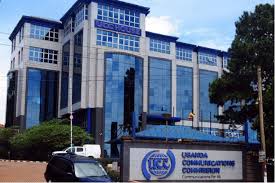
The Uganda Communications Commission (UCC) has defended the recent internet shutdown imposed during the 2026 general elections, saying the move was aimed at preventing the spread of fake news, electoral fraud, and incitement of violence.
Public access to the internet was suspended on January 13, 2026, two days before polling for presidential and parliamentary elections.
Addressing reporters at UCC headquarters in Kampala on Sunday, Executive Director Nyombi Thembo said the suspension was a necessary and proportionate measure taken on the recommendation of the Inter-Agency Security Committee.
Nyombi said the decision sought to “safeguard public order, prevent the rapid spread of misinformation and disinformation, curb potential electoral fraud, and protect against incitement to violence during a highly sensitive national period.”
“This measure was not taken lightly. It was implemented to ensure that the electoral process proceeded peacefully and that the peace and stability Ugandans have worked so hard to maintain were not undermined,” he said.
The blackout attracted international attention, with opposition figures accusing the government and security agencies of using the shutdown to rig the elections in favour of incumbent President Yoweri Museveni.
Museveni’s main challenger, National Unity Platform (NUP) presidential candidate Robert Kyagulanyi Ssentamu, popularly known as Bobi Wine, said the shutdown was intended to prevent documentation and dissemination of alleged human rights abuses by security forces.
He later rejected the election outcome, describing the polls as having been “held in the dark.”
The Uganda Law Society (ULS) has since declared the shutdown illegal, accusing UCC of acting outside the law.
ULS Vice President Anthony Asiimwe said the Commission failed to rely on any legal provision to justify the suspension.
“Section 87 of the UCC Act, Cap 103, empowers the Commission to suspend communication services only after a declaration of a state of emergency under Article 110 of the 1995 Constitution. No such state of emergency was declared. Therefore, the UCC order is illegal, null and void, and unconstitutional,” Asiimwe said.